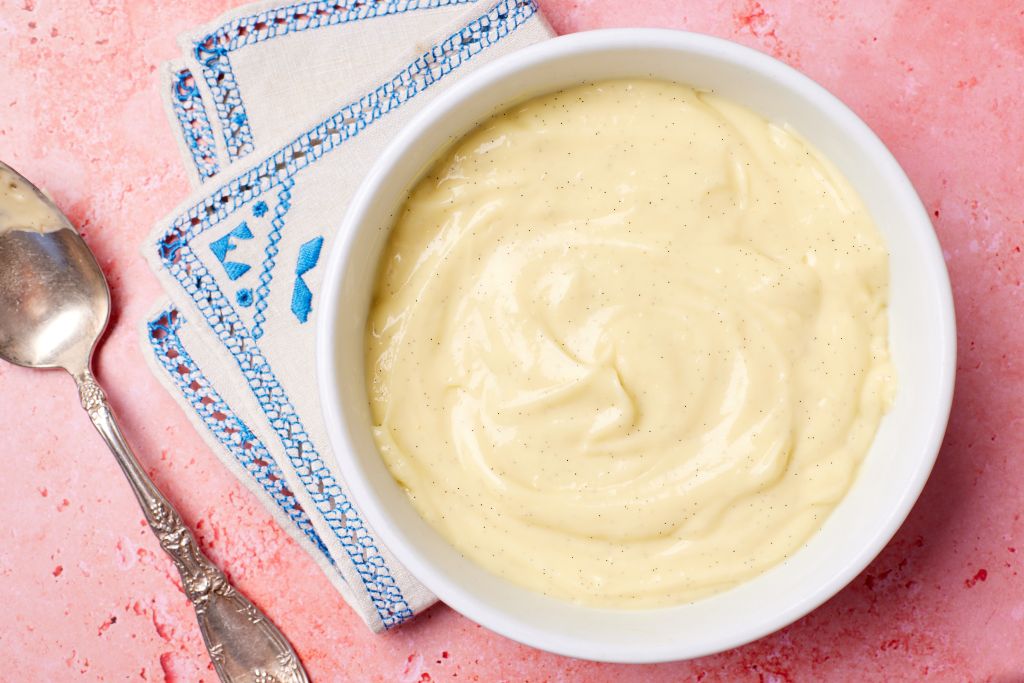
The very mention of "Crème Pâtissière" can conjure images of sophisticated French patisseries, delicate éclairs, and perfectly piped tarts. It’s a foundational element in countless classic desserts, hinting at complexity that often deters home bakers. But what if we told you that creating a luscious, velvety pastry cream (crème pâtissière) is not only achievable but surprisingly simple? Forget the intimidation; this guide will walk you through a foolproof recipe, ensuring you master this essential custard and elevate your baking repertoire from basic to extraordinary.
Often referred to simply as pastry cream, this rich, thick custard is the backbone of many beloved confections. It offers a creamy texture and a delightful canvas for various flavors, making it an indispensable skill for anyone who loves to bake. If you’ve been putting off attempting this staple, consider this your invitation to face your fears and discover the sheer joy of homemade crème pâtissière.
What is Pastry Cream (Crème Pâtissière)? Demystifying the Dessert Darling
At its heart, pastry cream (crème pâtissière) is a luxurious, thick custard, a cornerstone of French baking. Unlike thinner custards like crème anglaise, pastry cream is cooked until it reaches a consistency robust enough to be piped, spread, and hold its shape within pastries. This makes it incredibly versatile, serving as the star filling for an array of desserts, including:
- Éclairs and Cream Puffs (Profiteroles): Its stable texture perfectly complements the airy choux pastry.
- Fruit Tarts: Providing a creamy, sweet base for fresh berries and glazed fruits.
- Mille-feuille (Napoleon): Layered between crisp puff pastry sheets for a delightful textural contrast.
- Boston Cream Pie: The classic custard filling that makes this cake iconic.
- Diplomat Cream: A lighter version achieved by folding whipped cream into pastry cream.
The name "crème pâtissière" might sound fancy, but it literally translates to "pastry cream," reflecting its primary use. It's essentially a thickened custard made from eggs (primarily yolks), sugar, a starch (like cornstarch or flour), and milk, often infused with vanilla or other flavorings. Learning how to perfect this foundational custard opens up a world of baking possibilities, proving that sometimes, the most elegant results come from surprisingly straightforward processes. For a deeper dive into why this specific custard is a baking must-have, explore our article: Crème Pâtissière: The Staple Custard Every Home Baker Needs.
The Foolproof Classic Vanilla Pastry Cream Recipe
This recipe focuses on creating a classic vanilla pastry cream (crème pâtissière) that is rich, smooth, and perfectly pipeable. We’ll incorporate an optional step of folding in whipped cream and a touch of liqueur at the end for an extra luxurious finish, transforming it into a diplomat cream that's lighter and even more decadent.
Ingredients:
- 1 cup (240ml) whole milk
- ¼ vanilla bean, split and scraped, or ½ teaspoon pure vanilla extract (added at the end)
- ⅓ cup (75g) granulated sugar
- 3 large egg yolks
- 2 tablespoons (18g) cornstarch
- Optional additions for a lighter, richer cream:
- 1 cup (240ml) heavy cream, whipped to soft peaks
- 3 tablespoons Grand Marnier (or other liqueur like rum, Cointreau, or brandy)
Equipment You'll Need:
- Medium saucepan
- Mixing bowls (at least two)
- Wire whisk
- Fine-mesh sieve
- Plastic wrap
Step-by-Step Instructions:
- Infuse the Milk: In a medium saucepan, combine the whole milk and the split vanilla bean (if using). If you're using vanilla extract, you'll add it later. Bring the milk mixture to a gentle boil over medium heat, stirring occasionally to prevent scorching. As soon as it boils, remove it from the heat, cover the saucepan, and let it steep for 10-15 minutes to allow the vanilla flavor to fully infuse. This step is crucial for deep vanilla flavor.
- Prepare the Egg Yolk Mixture: While the milk is infusing, in a separate medium mixing bowl, combine the granulated sugar and egg yolks. Using a wire whisk, beat vigorously until the mixture becomes pale yellow, thick, and forms a "ribbon" when the whisk is lifted (it should slowly fall back into the bowl in a ribbon-like stream). This aeration is important for texture.
- Add the Thickener: To the egg yolk and sugar mixture, sift in the cornstarch. Whisk until it is fully incorporated and the mixture is smooth, with no visible lumps of cornstarch. The cornstarch is our primary thickening agent, ensuring a stable and creamy texture.
- Temper the Eggs: Remove the vanilla bean from the hot milk (you can rinse it, dry it, and store it in sugar for future use). Gradually, and while whisking constantly, slowly pour about half of the hot milk into the egg yolk mixture. Whisk vigorously to prevent the egg yolks from scrambling. This process, known as tempering, gently brings the eggs up to temperature.
- Return to Heat and Thicken: Pour the tempered egg mixture back into the saucepan with the remaining hot milk. Place the saucepan back over medium heat. Continue to whisk constantly and vigorously, paying special attention to the bottom and corners of the pan, to prevent sticking and ensure even cooking. The mixture will start to thicken noticeably within a few minutes.
- Cook to Perfection: Once the mixture comes to a boil, continue to cook and whisk vigorously for at least one minute. This step is critical for fully cooking the cornstarch, which eliminates any starchy taste and ensures maximum thickening and stability. You'll notice it transform into a very thick, glossy cream.
- Remove from Heat and Finish: Remove the saucepan from the heat. If using vanilla extract, stir it in now.
- Cool Rapidly: Transfer the hot pastry cream to a clean, shallow dish or bowl. Immediately press a sheet of plastic wrap directly onto the surface of the cream. This prevents a "skin" from forming as it cools. Cool the cream completely in an ice bath or refrigerate for at least 2-3 hours until thoroughly chilled. For best results, chill overnight.
- Optional Luxurious Finish (Diplomat Cream): Once the pastry cream is thoroughly chilled, transfer it to a large bowl. If desired, whisk it briefly to loosen it up. Gently fold in the whipped heavy cream and Grand Marnier (or your chosen liqueur) until just combined. This creates a lighter, airier, and more complexly flavored cream, often referred to as Crème Diplomat.
Mastering Your Pastry Cream: Essential Tips & Troubleshooting
Achieving perfect pastry cream (crème pâtissière) every time requires attention to detail, but it’s entirely within reach. Here are some insights and solutions to common challenges:
Common Pitfalls & How to Avoid Them:
- Lumpy Pastry Cream: This is often due to not whisking constantly during tempering or cooking, or not sifting the cornstarch.
- Solution: Whisk, whisk, whisk! If lumps appear, don't despair. Pass the finished cream through a fine-mesh sieve while it's still warm to achieve a silky smooth texture.
- Too Thin/Runny: The most common reason is not cooking the cream long enough or vigorously enough once it boils. The cornstarch needs sufficient heat and time to fully activate and thicken.
- Solution: Don't be afraid to let it boil for the full minute while whisking. It will be very thick at this stage. If it cools and is still too thin, you can gently reheat it, whisking constantly, and boil for another minute.
- Scorched Bottom: Lack of constant stirring, especially at the bottom of the pan, can lead to burnt bits.
- Solution: Use a sturdy whisk that reaches the edges and bottom of your saucepan. Keep that whisk moving!
- "Egg-y" or Starchy Taste: This happens if the eggs or cornstarch aren't cooked out properly.
- Solution: Ensure you cook the cream for a full minute after it comes to a boil. This high heat fully cooks the starch and pasteurizes the eggs.
- Forming a Skin: When cooling, pastry cream develops an unsightly and rubbery skin if exposed to air.
- Solution: Always press plastic wrap directly onto the surface of the warm cream, ensuring no air pockets.
Achieving the Perfect Consistency:
The "ribbon stage" when beating yolks and sugar is crucial for aeration and a smoother final product. When cooking, trust the process: the cream will seem thin, then suddenly thicken dramatically. Continue whisking vigorously once it boils; it should look glossy and hold its shape on a spoon.
Flavor Variations Beyond Vanilla:
While vanilla is classic, the versatility of pastry cream (crème pâtissière) allows for endless flavor possibilities. Consider infusing the milk with citrus zest, coffee beans, or spices like cinnamon. You can also whisk in melted chocolate or cocoa powder (often with a reduction in starch for cocoa powder) at the end for a rich chocolate pastry cream. For creative ideas and practical advice on diversifying your crème pâtissière, dive into our comprehensive guide: Vanilla to Chocolate: Master Versatile Crème Pâtissière Fillings.
Make-Ahead & Storage:
Pastry cream is an excellent make-ahead component. It can be prepared up to 2-3 days in advance and stored in an airtight container in the refrigerator with plastic wrap pressed directly on the surface. Before using, give it a good whisk to restore its smooth, creamy texture. If it's too stiff, you can whisk in a tablespoon or two of milk or cream to loosen it.
Conclusion
Making easy pastry cream (crème pâtissière) is a rewarding skill that will significantly enhance your baking repertoire. By following this foolproof guide and understanding the simple science behind each step, you can confidently create a smooth, rich, and perfectly stable custard every single time. From filling delicate éclairs to building magnificent fruit tarts, this staple cream is now within your grasp. So, preheat your oven, gather your ingredients, and prepare to impress yourself and your guests with the undeniable elegance of homemade pastry cream.
